
Stucco repair planning resources
Practical guides to plan a stucco repair project before you ever take a quote, written for San Diego homes and weather.
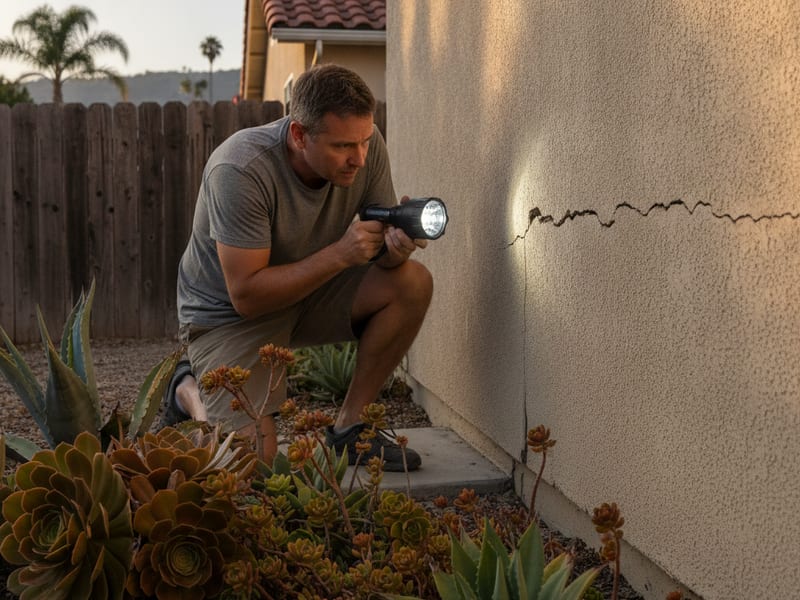
Stucco planning guides
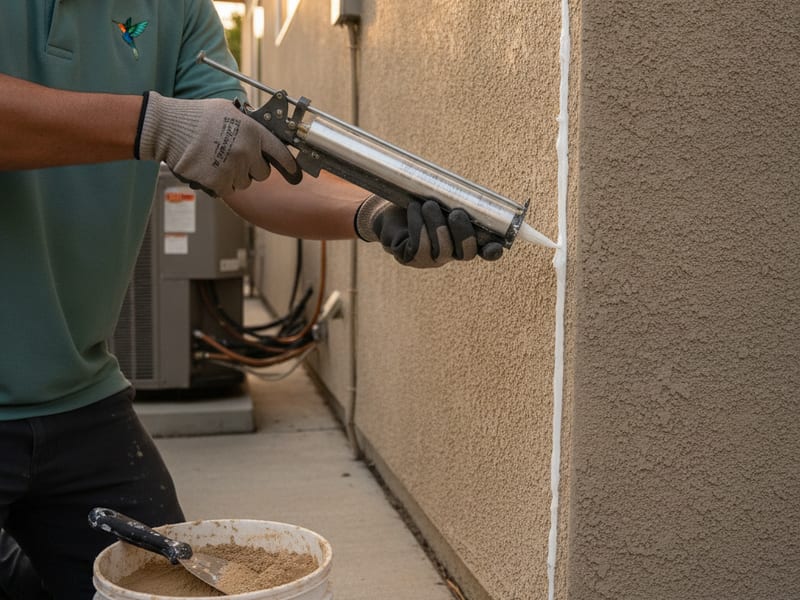
How to seal hairline stucco cracks yourself
A true hairline crack with no staining and solid surrounding stucco can be sealed by a careful homeowner. Larger or active cracks need a professional. Here is how to handle the ones you can do yourself.
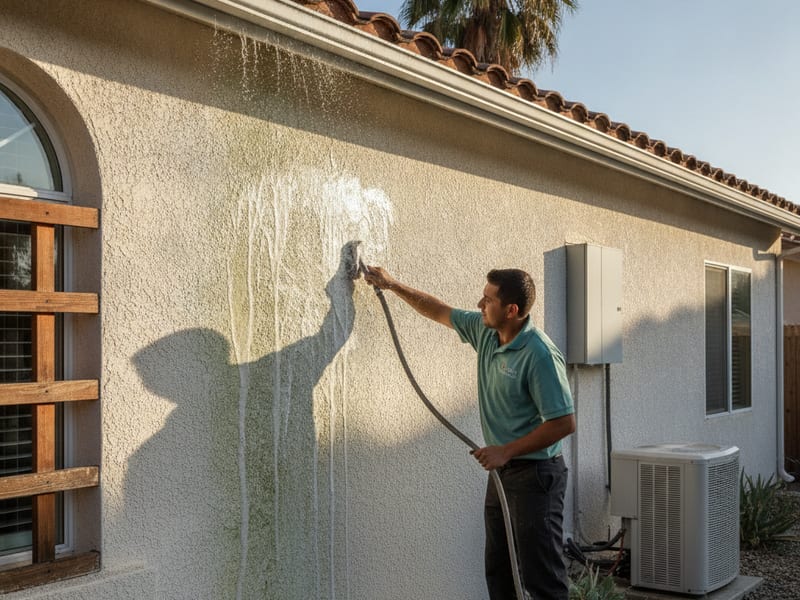
How to clean a stucco wall
Stucco collects dirt, mildew, and efflorescence over time. A proper cleaning extends the life of the finish coat and is the correct first step before any painting or crack sealing.
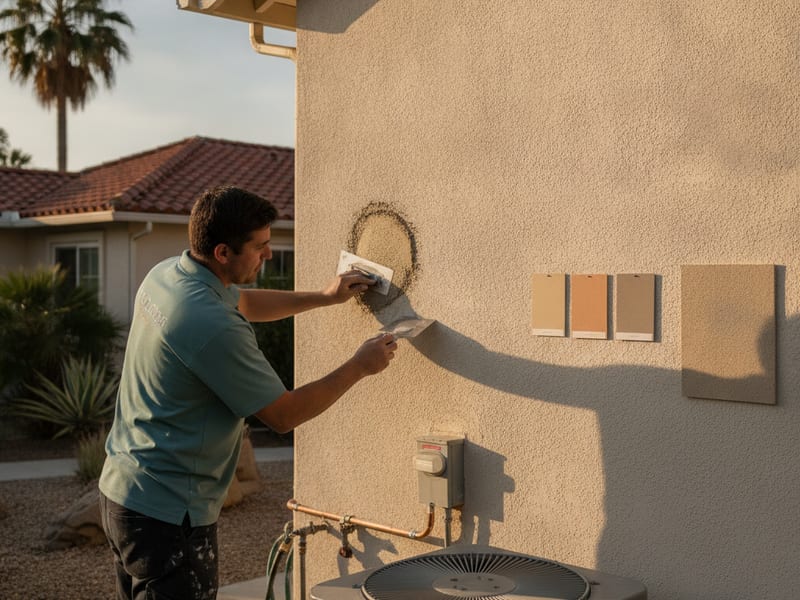
How to identify your stucco texture type
Hiring a contractor to match your existing stucco texture starts with knowing what texture you have. Here is how to identify the most common San Diego textures and describe them accurately.
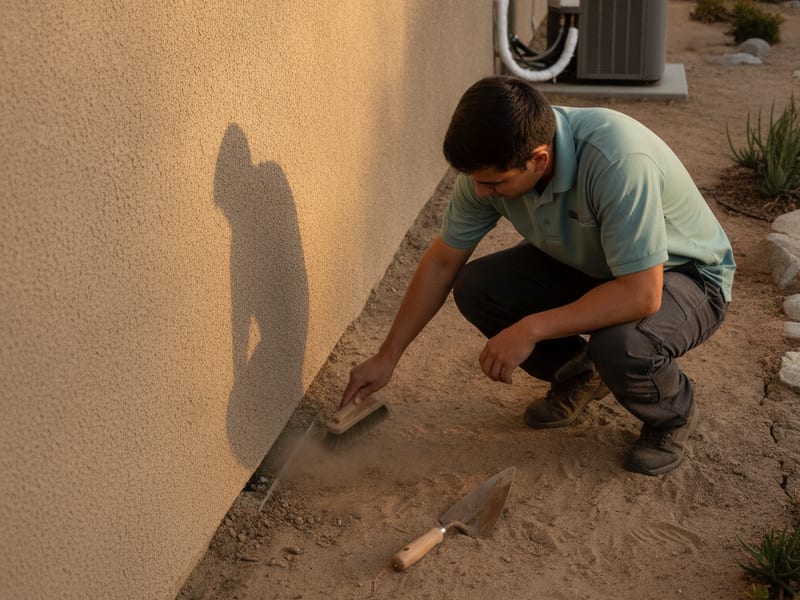
How to inspect your weep screed drainage
Weep screed is the metal strip at the base of your stucco wall that drains moisture out of the system. Checking it once a year catches the most common cause of stucco failure at the foundation line.
When should you stop and call a professional?
Six signs that the problem is past DIY. Put the caulk gun down and pick up the phone. Covering these up turns cheap repairs into expensive rebuilds.
- Cracks wider than a credit card edge
Cracks over about 1/8 inch usually mean movement or lath failure underneath. Filling them cosmetically hides a problem that keeps growing.
- Stucco sounds hollow when you tap it
A hollow sound means the stucco has separated from the lath or substrate. That section can shear off, and patching over it fails fast.
- Brown or rust stains bleeding through the wall
Staining usually means water is reaching the lath or building paper behind the stucco. The fix starts inside the wall system, not at the surface.
- Soft, crumbly, or bulging patches
Stucco that gives under hand pressure has lost its structural bond, often from long-term moisture. It needs removal and rebuild, not filler.
- Cracks that follow windows, doors, or foundation lines
Diagonal cracks off corners and step cracks near the foundation can signal settling. A pro should rule out structural movement before any patching.
- Interior moisture, mold, or peeling paint on an exterior wall
Once moisture shows up inside, the stucco system outside has already failed somewhere. Finding the entry point takes a proper inspection.
Further reading
Check a contractor license
Verify any C-35 lathing and plastering license, bond, and workers comp status before signing a stucco contract.
City of San DiegoCity of San Diego permits and inspections
Permit requirements and inspection scheduling for exterior work within San Diego city limits.
County of San DiegoSan Diego County building permits
Planning and Development Services permit information for homes in unincorporated county areas.
Ready for a free stucco assessment?
If the guide didn't solve it, we'll match you with an insured local crew and one written quote.